
A home renovation can improve your comfort, update an outdated property, and make everyday life more enjoyable. However, remodeling also involves many decisions, and mistakes made early in the process can lead to delays, unexpected expenses, and disappointing results.
Fortunately, you can prevent many of the most common problems with thoughtful planning and clear communication. Before beginning your next project, consider these remodeling mistakes—and the steps you can take to avoid them.
1. Starting Without Clear Goals
It is deceptively simple to begin a renovation with a collection of attractive photos and general ideas. But inspiration is not the same as a plan. Without clear priorities, homeowners may spend too much on decorative features while overlooking the improvements that would make the most significant difference.
Begin by identifying what the project needs to accomplish. Do you need more storage, better traffic flow, additional living space, improved lighting, or easier maintenance? Separate essential improvements from optional features. Clear goals will guide your design, budget, and material choices throughout the project.
2. Underestimating the Total Budget
One of the most common remodeling mistakes is budgeting only for visible construction and materials. A complete budget may also need to cover design work, permits, demolition, waste removal, deliveries, temporary storage, and other project-related expenses.
Older homes may contain hidden problems such as damaged plumbing, outdated wiring, moisture, or structural deterioration. Set aside a reasonable contingency for unexpected conditions so you can correct them without sacrificing important parts of the renovation.
Be open with your contractor about your maximum budget. A skilled remodeling professional can help you prioritize spending and recommend alternatives that preserve the overall design.
3. Choosing a Contractor Based Only on Price
The lowest estimate is not always the best value. A proposal may cost less because it excludes necessary work, uses lower-quality materials, or does not clearly define who is responsible for each part of the project.
Compare detailed scopes of work rather than looking only at the final totals. Ask about the contractor’s experience, project supervision, communication, scheduling, insurance, and the credentials required for the work. Review completed projects and customer references when possible.
The right contractor should provide clear information, realistic expectations, and a professional process—not simply an attractive price.
4. Ignoring Permits and Approvals
Some homeowners assume that permits are unnecessary for interior work or that skipping them will save time. In reality, many projects involving structural changes, electrical systems, plumbing, mechanical equipment, windows, or additions may require permits and inspections.
Depending on the property, a municipality, condominium association, or homeowners association may also need to approve the work. Discuss these requirements before work begins and confirm who will handle applications, documentation, and inspections. Proper approvals can help prevent delays, penalties, and future complications with a sale or insurance claim.
5. Making Too Many Changes During Construction
Changing your mind after work begins can affect materials, labor, scheduling, and other parts of the design. One small change may create a chain reaction—for example, moving an appliance could require adjustments to cabinets, flooring, plumbing, and electrical connections.
Take time to finalize the layout, finishes, fixtures, and major selections before construction begins. If a change becomes necessary, request a written change order that explains its effect on cost and timing. This allows you to make an informed decision and prevents misunderstandings later.
6. Focusing on Appearance but Forgetting Function
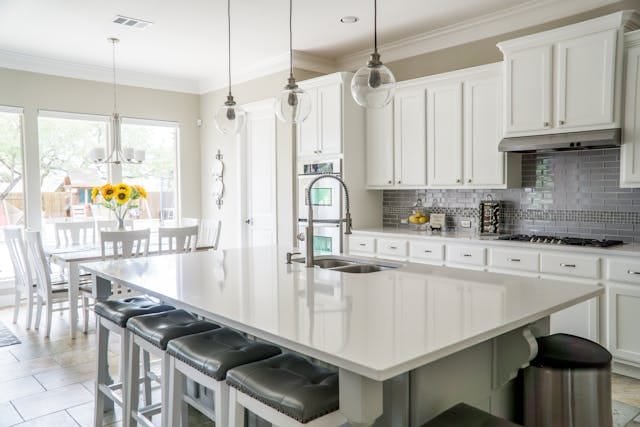
A beautiful room can still be frustrating if it does not work well. Insufficient storage, poorly placed lighting, narrow walkways, inadequate electrical outlets, and impractical materials can diminish the value of an otherwise attractive renovation.
Think about how you will use the space every day. Consider movement, organization, cleaning, accessibility, privacy, and future needs. In kitchens, plan around food preparation, cooking, and storage. In bathrooms, consider ventilation, moisture resistance, and ease of maintenance. Effective design balances visual appeal with practical performance.
7. Selecting the Wrong Materials
Materials should be chosen for durability and suitability, not only appearance. This is especially important in South Florida, where humidity, intense sunlight, heavy rain, and storm exposure can affect both interior and exterior products.
Ask how flooring, cabinetry, paint, fixtures, windows, doors, and outdoor finishes will perform under local conditions. Moisture resistance, maintenance requirements, energy performance, and product warranties should all be considered. Choosing appropriate materials at the beginning can reduce repairs and replacement costs in the future.
8. Neglecting Communication and Project Preparation
Even a carefully designed remodel can become stressful when communication is inconsistent. Before construction begins, determine who your main contact will be, how frequently you will receive updates, and how you will document questions or changes.
You should also prepare your household for the disruption. Remove valuables and personal belongings, protect areas outside the work zone, make arrangements for children and pets, and plan alternatives if a kitchen or bathroom will be unavailable. Understanding the schedule and anticipating temporary inconveniences will make the experience easier.
Plan Carefully and Remodel With Confidence
Successful remodeling is not about avoiding every unexpected situation. It is about preparing well, choosing qualified professionals, and responding to challenges with accurate information and a clear process.
At Remodeling Pro Service FL, we help homeowners navigate every stage of renovation, from early planning and design to construction and final completion. Our team combines practical solutions, attentive project management, and skilled craftsmanship to create beautiful, functional spaces while helping you avoid costly remodeling mistakes.